
Resources

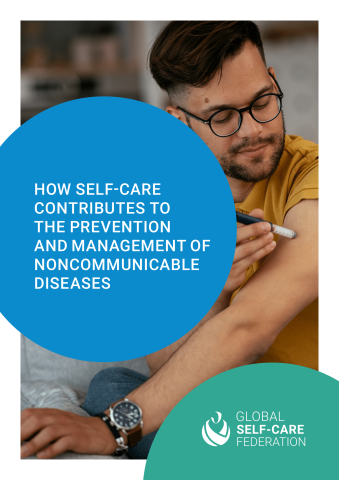
How Self-Care contributes to the Prevention and Management of Noncommunicable Diseases
Accounting for 74% of all deaths globally and with those suffering from conditions such as hypertension, diabetes, or other chronic conditions numbering in the billions around the world, NCDs have gained worldwide prominence in public health discussions over the past few decades. This paper looks to provide evidence that self-care is a key practice in supporting healthcare systems to better prevent and manage NCDs. It does this by changing the paradigm to a more person-centered approach, that views people as active decision-makers in their own health, not merely passive recipients of health services. Finally, this paper will provide recommendations for policymakers, so they are able to integrate self-care into the global response to NCDs and their overburden on healthcare systems.
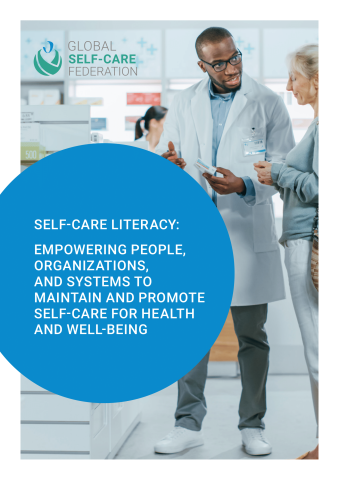
Self-Care Literacy: empowering people, organizations, and systems to maintain and promote self-care for health and well-being
Self-care literacy refers to the knowledge, motivation and competencies of individuals, families, and communities to promote health, prevent disease, and maintain health and to cope with illness and disability with or without the support of a healthcare provider. This Policy Brief addresses the for integrated self-care policy approach involving multiple actors, settings, and sectors with the purpose of creating conducive environments in support of health and well-being of individuals and communities.
The Power of OTCs to Provide Consumer Value
CHPA’s report presents findings from its 2022 Over-The-Counter (OTC) Value Study. Results show that self-care with OTC medicines not only benefits individuals but also benefits the entire healthcare system. This year’s study found that on average, every dollar spent on OTC medicines saves the U.S. healthcare system $7.33, resulting in an overall annual savings of $167.1 billion.